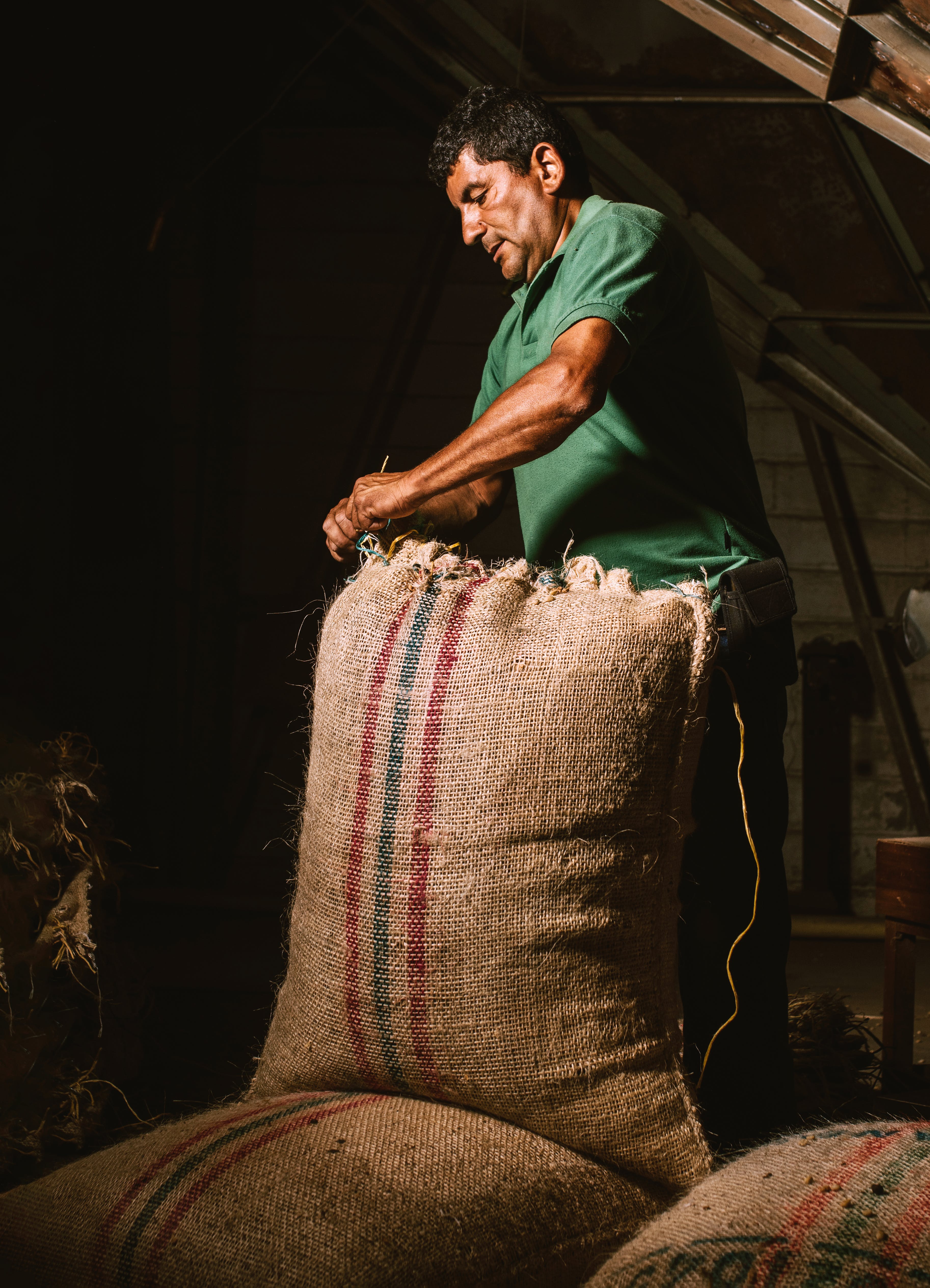
Transmission chain and logistics in the food industry:
The transmission chain and logistics in the food industry play a crucial role in ensuring the efficient and safe movement of food products from the point of production to the end consumer. This intricate process involves various stages, each requiring careful coordination and adherence to industry standards. Let's explore the key components of the transmission chain and logistics in the food industry:
1. Supply Chain Management
Goal: Ensure a seamless and efficient flow of raw materials and finished products.
Components:
- Sourcing: Identify reliable and sustainable suppliers for raw materials.
- Production: Efficiently manufacture food products while maintaining quality.
- Distribution: Streamline the movement of products from production facilities to distribution centers.
2. Transportation:
Goal : Safely transport food products to different locations.
Modes of Transport:
- Road Transport: Trucks for short to medium distances.
- Rail Transport: Efficient for long-distance transportation of bulk goods.
- Sea Transport: Suitable for international shipments of large quantities.
- Air Transport: Expedited but generally used for high-value or perishable goods.
3. Warehousing:
Goal : Provide secure and controlled storage for food products.
Considerations:
- Temperature Control: Refrigerated or frozen storage for perishable goods.
- Inventory Management: Utilize technology for real-time tracking and stock optimization.
- Location: Strategically position warehouses to minimize transportation costs and delivery times.
4. Packaging and Labeling:
Goal : Ensure product integrity and compliance with regulations.
Considerations:
- Protective Packaging: Shield products from contamination and damage.
- Informational Labeling: Clearly communicate product details, nutritional information, and safety instructions.
- Sustainable Packaging: Embrace eco-friendly materials to align with environmental goals.
5. Regulatory Compliance:
Goal : Adhere to food safety and quality regulations.
Key Aspects:
- Traceability: Implement systems to trace products back to their source.
- Quality Assurance: Regular audits and inspections to ensure compliance with industry standards.
- Documentation: Maintain accurate records of production, transportation, and storage processes.
6. Last-Mile Delivery:
Goal : Ensure timely and accurate delivery to end consumers.
Challenges:
- Urban Logistics: Navigate through densely populated areas.
- Temperature Control: Maintain the integrity of perishable goods during delivery.
- Customer Convenience: Offer flexible delivery options to meet customer expectations.
7. Technology Integration:
Goal : Enhance transparency and efficiency through technology.
Technological Solutions:
- IoT (Internet of Things): Monitor temperature, humidity, and other conditions during transportation and storage.
- Blockchain: Ensure transparency and traceability in the supply chain.
- Inventory Management Systems: Optimize stock levels and reduce the risk of stockouts or overstock.
8. Reverse Logistics:
Goal : Manage returns, recalls, and waste efficiently.
Processes:
- Recall Plans: Establish protocols for quick and effective product recalls.
- Waste Management: Implement strategies to minimize food waste and handle unsold or expired products responsibly.
- Effective management of the transmission chain and logistics in the food industry requires collaboration among suppliers, producers, distributors, and retailers. It also demands a commitment to food safety, quality assurance, and sustainability throughout the entire process. Continuous improvements, technological advancements, and a focus on regulatory compliance contribute to a resilient and efficient food supply chain.