Nourishing Tomorrow: The Future of the Food Industry
The supply chain in the food industry encompasses a complex network of activities and processes involved in the production, processing, distribution, and delivery of food products from farm to table. It involves various stakeholders, including farmers, processors, distributors, retailers, and consumers. Here is an overview of the key components of the supply chain in the food industry:
-
- Production and Agriculture:
-
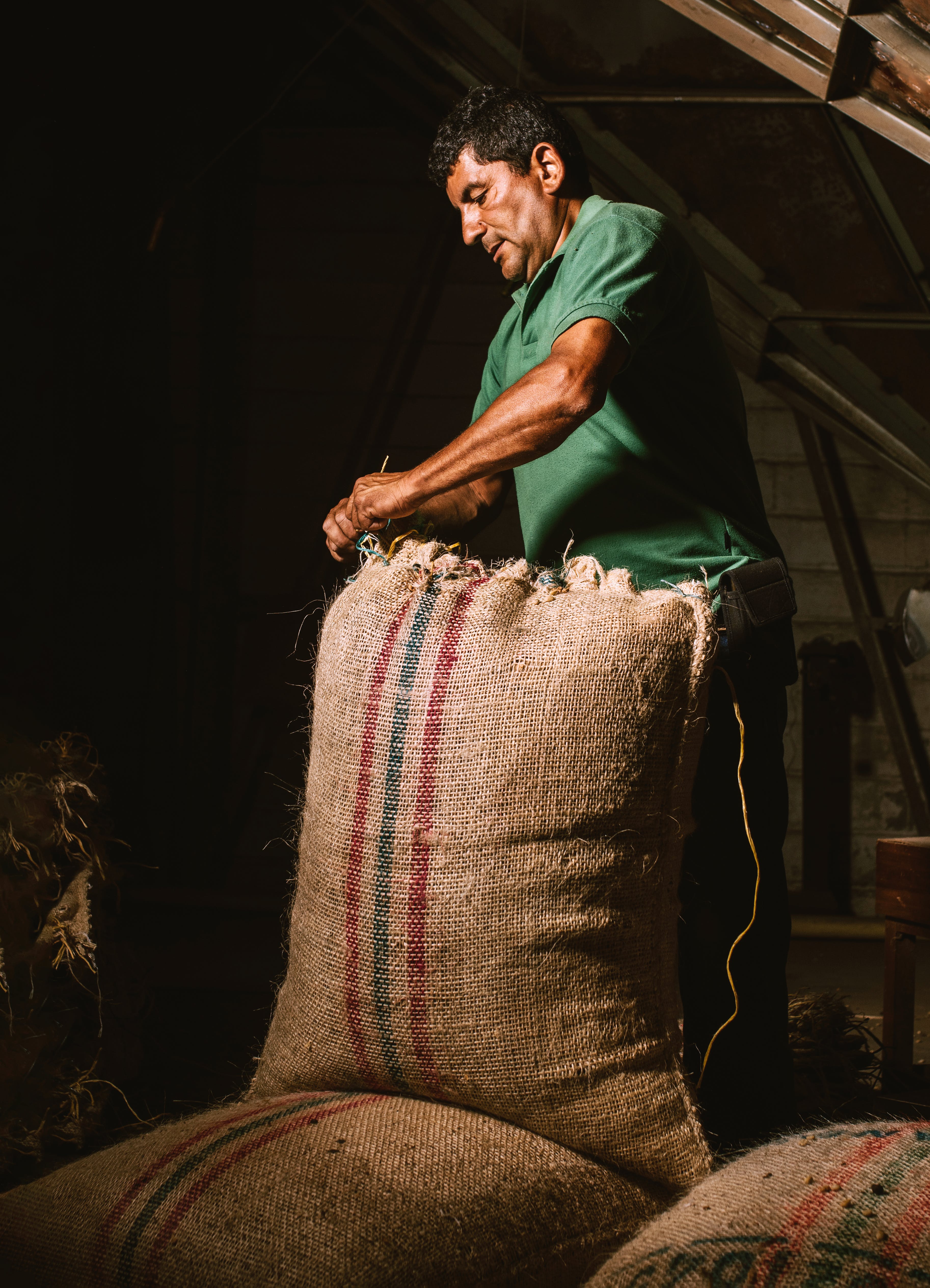
- The supply chain begins with agricultural activities where farmers cultivate crops, raise livestock, or produce raw ingredients.
- Factors such as weather, soil conditions, and sustainable farming practices impact the quality and quantity of food produced.
-
- Processing and Manufacturing:
-
- Raw agricultural products undergo processing and manufacturing to transform them into consumable food items.
- This stage involves cleaning, sorting, packaging, and, in some cases, adding value through cooking, preserving, or creating ready-to-eat products.
-
- Distribution and Logistics:
-
- Processed food products are transported from manufacturing facilities to distribution centers.
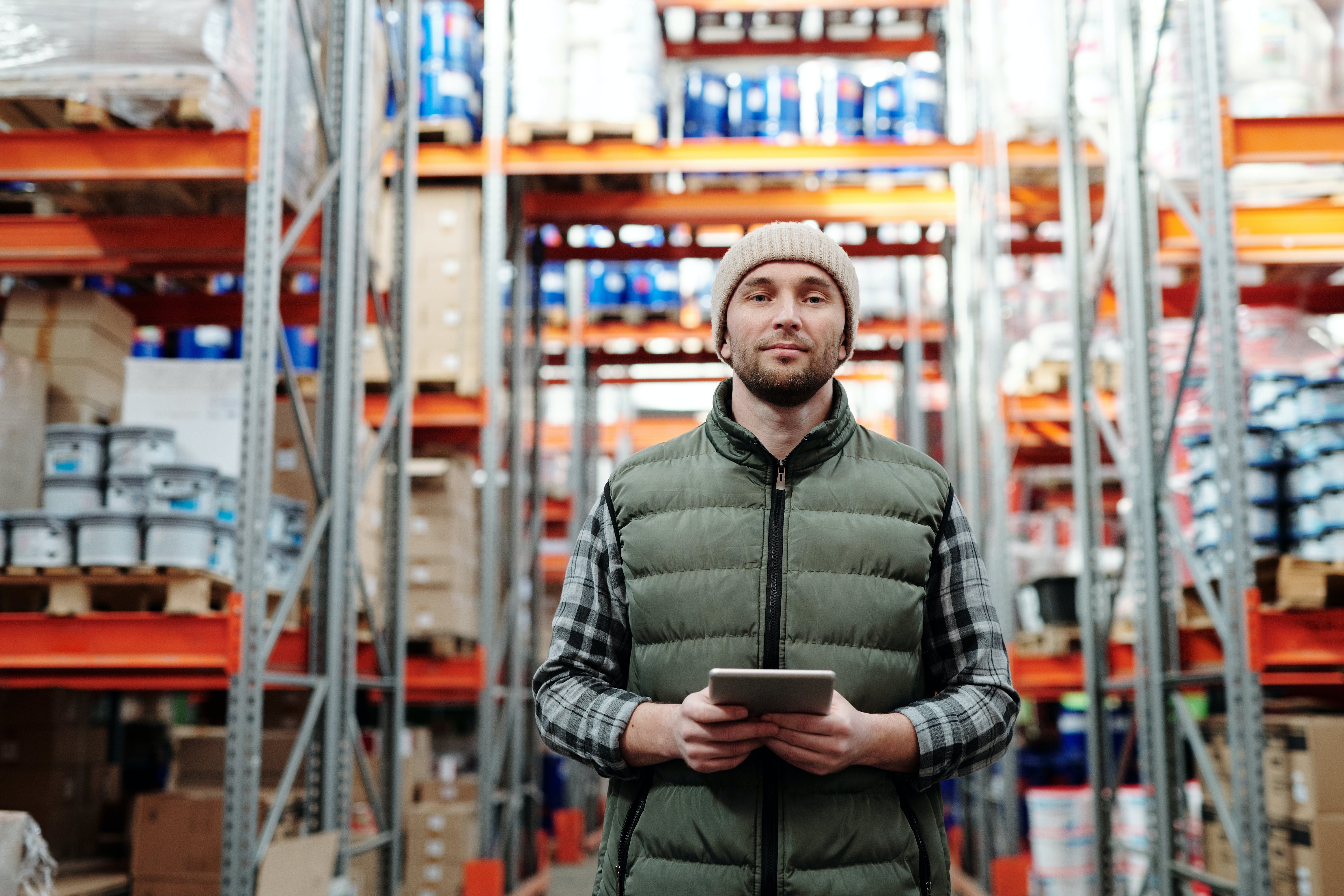
- Logistics play a crucial role in ensuring efficient transportation, storage, and handling of food items. This includes refrigerated transportation for perishable goods.
-
- Wholesale and Retail:
-
- Food products are distributed to wholesalers who, in turn, supply them to retailers such as supermarkets, grocery stores, and restaurants.
- Retailers manage inventory, handle product displays, and sell to end consumers. They play a vital role in connecting products with consumers.
-
- Consumers:
-
- Consumers are the end-users of food products. They make choices based on factors such as taste, price, nutritional value, and brand reputation.
- Consumer preferences and demands influence the entire supply chain, prompting adjustments in production, distribution, and marketing strategies.
-
- Regulatory Compliance and Quality Assurance:
-
- Throughout the supply chain, adherence to food safety regulations and quality standards is paramount.
- Governments and regulatory bodies set guidelines to ensure the safety and quality of food products, and companies implement measures to comply with these regulations.
-
- Technology and Innovation:
-
- Technology plays a crucial role in optimizing supply chain processes. Advanced systems for inventory management, traceability, and data analytics enhance efficiency and transparency.
- Innovations such as blockchain are increasingly being used to improve traceability and provide consumers with information about the origin and journey of food products.
-
- Sustainability and Ethical Practices:
-
- Sustainability and ethical considerations are gaining prominence in the food supply chain. This includes environmentally friendly farming practices, responsible sourcing, and fair labor practices.
- Consumers are increasingly interested in the sustainability and ethical aspects of the food products they purchase.
-
- Crisis Management and Resilience:
-
- The food supply chain faces various challenges, including natural disasters, pandemics, and geopolitical events. Companies implement crisis management strategies to ensure the resilience of the supply chain.
- The COVID-19 pandemic, for example, highlighted the importance of supply chain resilience and prompted adjustments in inventory management and distribution strategies.
-
- Collaboration and Partnerships:
-
- Collaboration among stakeholders in the supply chain is essential for its smooth functioning. Farmers, processors, distributors, and retailers need to work together to ensure a consistent and reliable supply of food products.
The food industry's supply chain is dynamic and subject to constant changes influenced by factors such as globalization, consumer trends, technological advancements, and regulatory developments. Effective supply chain management is crucial for ensuring the availability of safe, high-quality, and sustainable food products for consumers worldwide.