Cereals and their types for export
Cereals are a staple food commodity and a significant component of global trade. Various types of cereals are exported worldwide to meet the diverse dietary preferences and nutritional needs of different regions. Here are some common types of cereals and their varieties that are often exported:
-
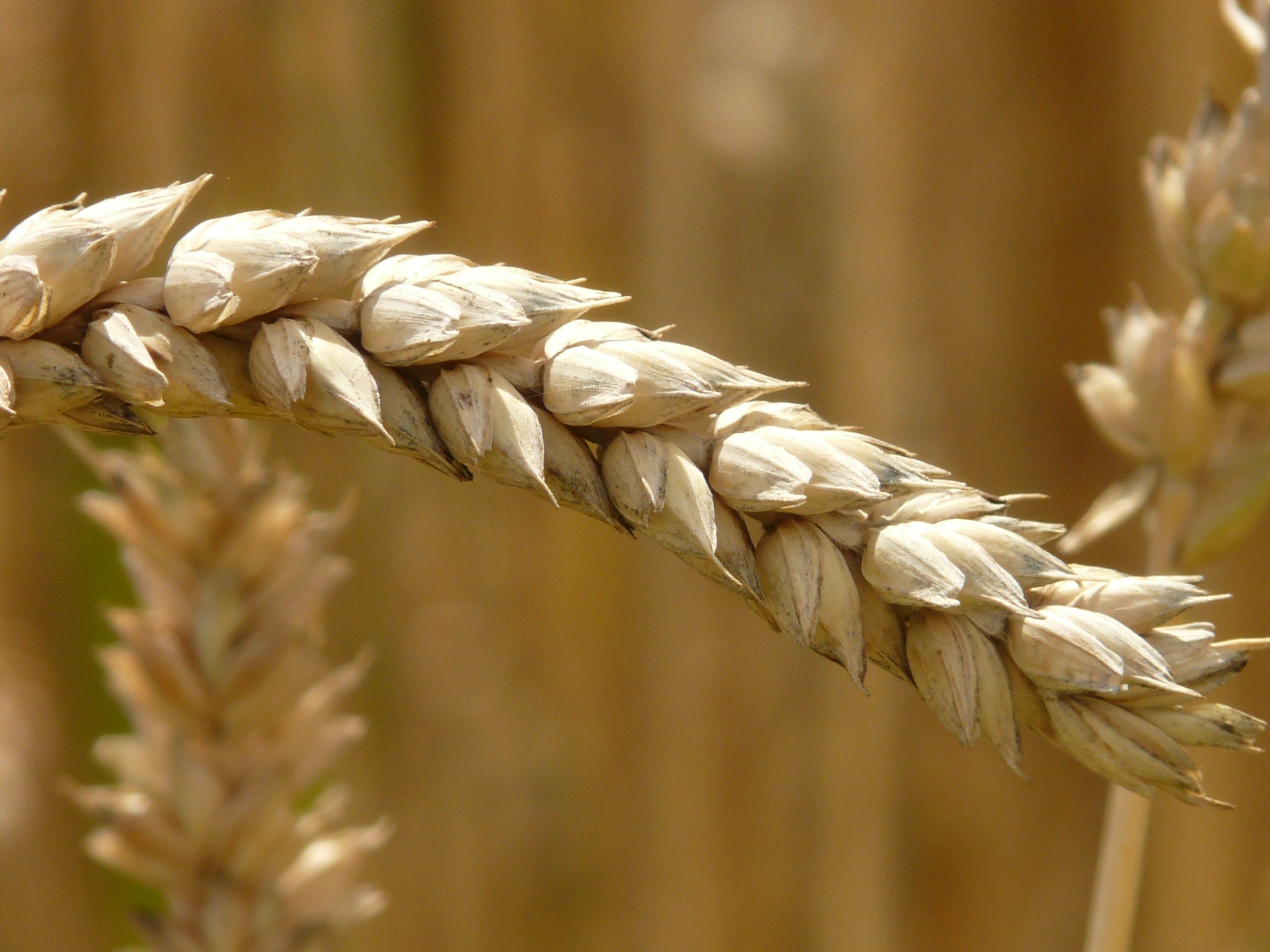
Wheat:
- Hard Red Winter Wheat : Suitable for bread and all-purpose flour, commonly exported from the United States and Canada.
- Soft Red Winter Wheat : Used for pastries, cakes, and cookies, often exported from the United States.
- Durum Wheat : Ideal for pasta production, with major exporters including Canada and some European countries.
-
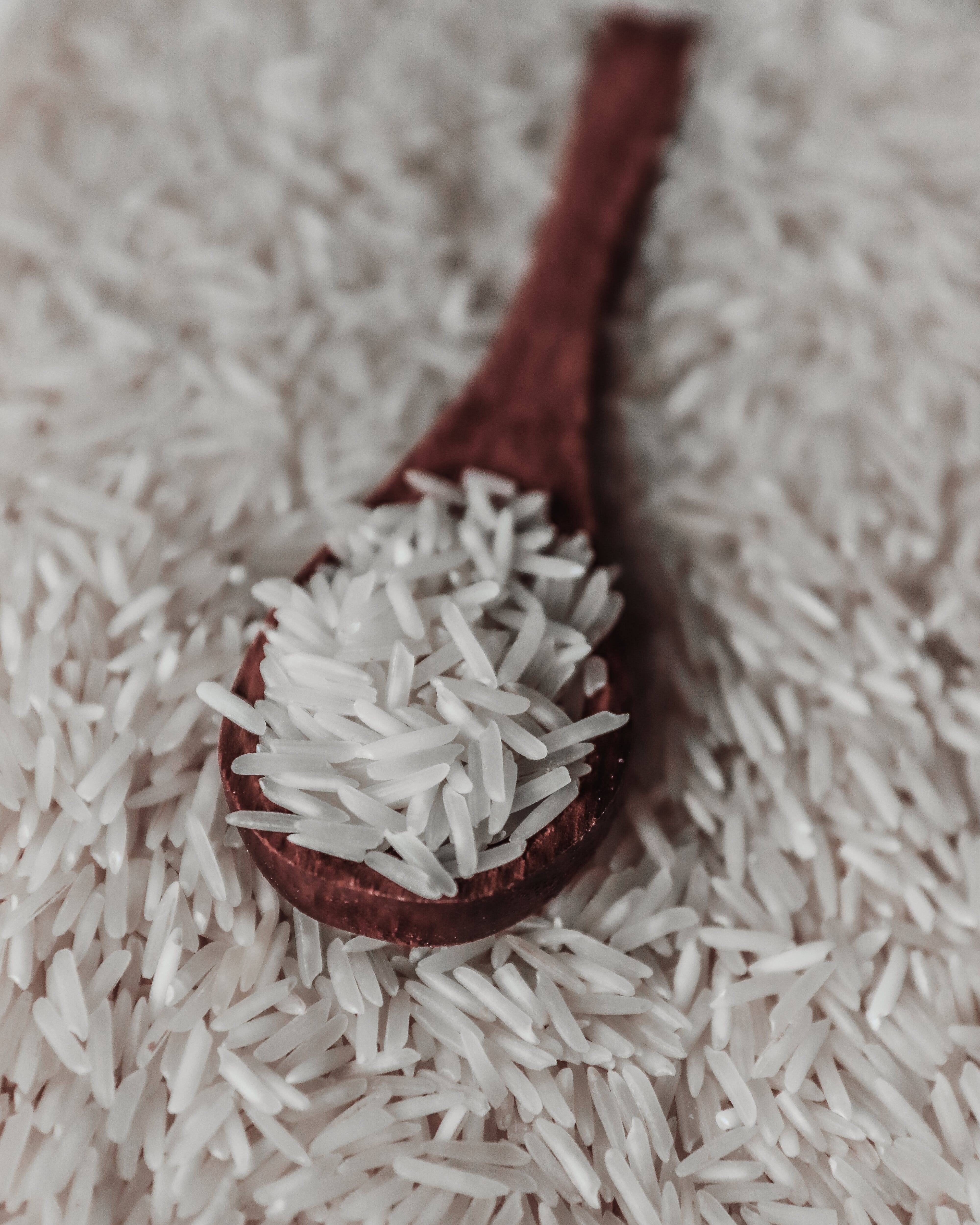
Rice :
- Basmati Rice : Known for its aromatic fragrance and long grains, major exporters include India and Pakistan.
- Jasmine Rice : A fragrant rice variety, primarily exported by countries like Thailand.
- Long-Grain Rice : Commonly exported from the United States, often used in various international cuisines.
-
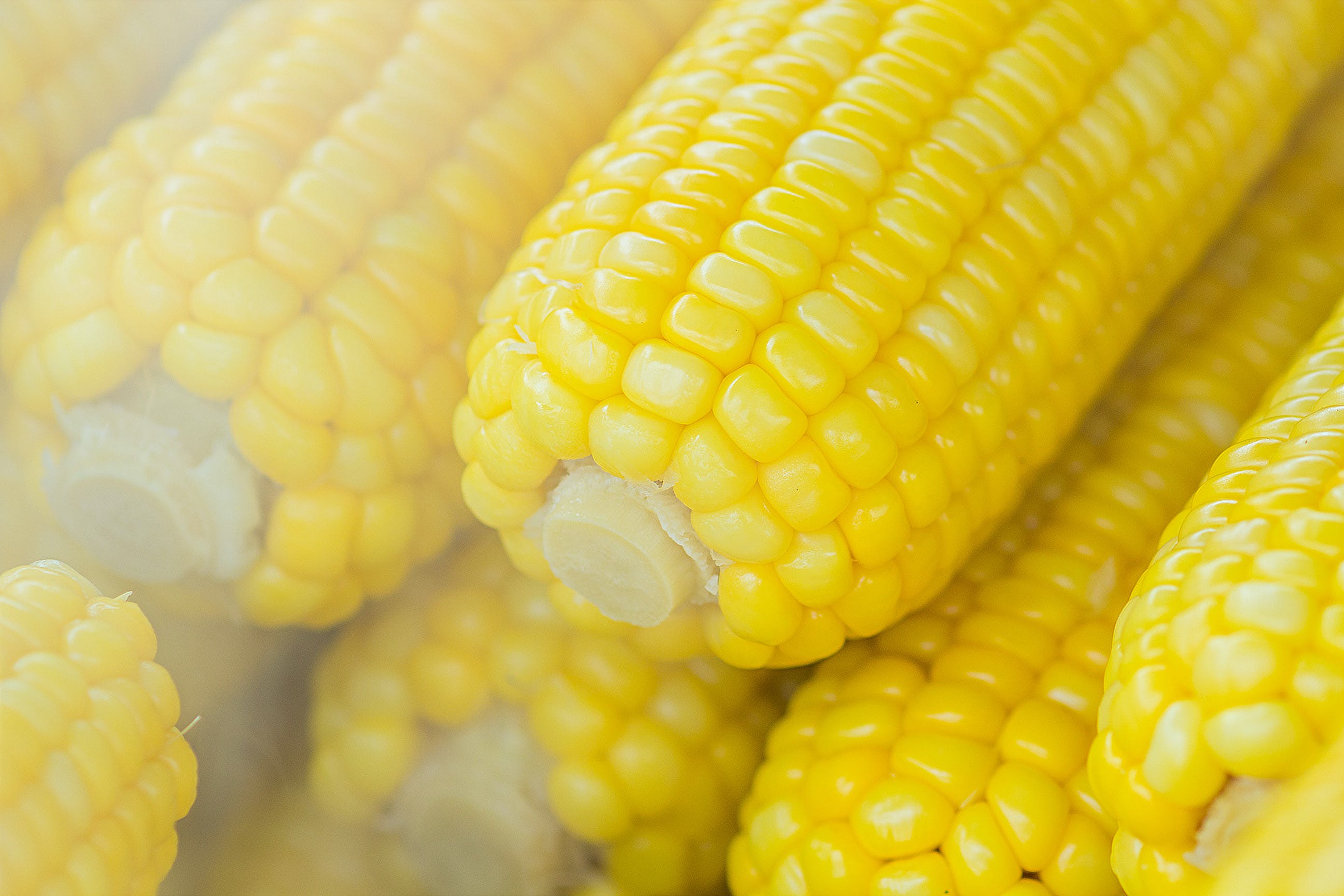
Corn (Maize) :
- Yellow Dent Corn : Primarily used for animal feed and industrial purposes, with major exporters including the United States and Brazil.
- White Corn : Used for human consumption, animal feed, and industrial purposes.
-
Barley:
- Malting Barley: High-quality barley used in brewing industries, with major exporters including Australia and Canada.
- Feed Barley : Used for animal feed, often exported from countries like Ukraine and Russia.
-
Oats :
- Whole Oats : Exported for human consumption and as animal feed, with major exporters including Canada.
-
Sorghum :
- Grain Sorghum : Exported for both human consumption and animal feed, with major exporters including the United States and Argentina.
-
Rye :
- Winter Rye : Used for both human consumption and as a cover crop, with major exporters including some European countries and Canada.
-
Millet :
- Pearl Millet : Majorly grown and exported from countries in Africa and India.
- Finger Millet (Ragi) : Exported from India and some African countries.
-
Quinoa :
- White Quinoa : One of the most commonly exported varieties, known for its mild flavor and versatility.
- Red Quinoa : Has a slightly nutty flavor and is often exported from countries like Peru and Bolivia.
-
Buckwheat :
- Common Buckwheat : Exported for both human consumption and as animal feed, with major exporters including Russia and China..
Export Considerations :
-
Quality Standards : Cereal exports must meet specific quality standards and safety regulations set by importing countries. These standards often include factors like moisture content, purity, and absence of contaminants.
-
Packaging : Cereal exports typically involve packaging in bags or bulk containers. Proper packaging ensures the preservation of quality during transit.
-
Grading : Cereals are often graded based on factors such as size, color, and purity. Grading helps meet the specific requirements of buyers.
-
Customization : Exporters work closely with buyers to meet specific quality, packaging, and labeling requirements.
-
Trade Agreements : Many countries engage in international trade agreements and negotiations to facilitate the smooth export of cereals and other agricultural commodities.
Cereal exports contribute significantly to the global food supply, supporting diverse diets and providing essential nutrients. The trade of cereals is subject to international market dynamics, agricultural policies, and the constant evolution of consumer preferences.