Indian rice and its varieties for export
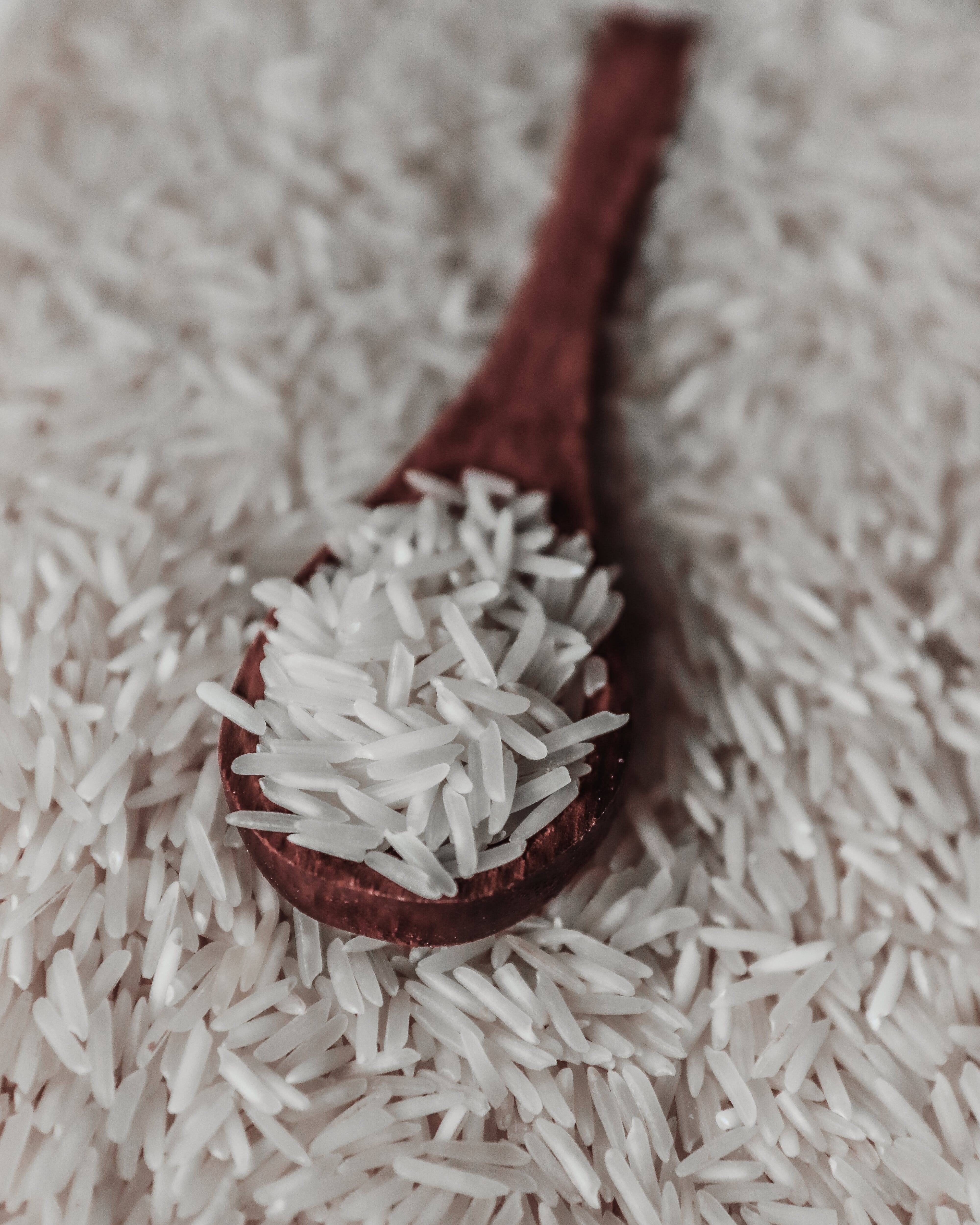
India is one of the largest producers and exporters of rice globally, and it offers a diverse range of rice varieties to cater to different culinary preferences and market demands. The country produces both non-basmati and basmati rice, each with its own unique characteristics. Here are some key Indian rice varieties that are commonly exported:
Basmati Rice Varieties :
-
Basmati 1121:
-
- Known for its long grains and aromatic fragrance, Basmati 1121 is one of the most popular basmati varieties.
-
- It has gained widespread acceptance in international markets due to its exceptional cooking characteristics and appealing aroma.
-
Basmati 1509 :
-
- Characterized by its long grains and aromatic fragrance, Basmati 1509 is another premium basmati variety.
-
- It is known for its high yield and is preferred for its aromatic and fluffy texture.
-
Basmati 1401 :
-
- Basmati 1401 is a newer variety known for its extra-long grains and aromatic qualities.
-
- It is gaining popularity in both domestic and international markets for its premium quality.
-
Traditional Basmati:
-
- This category includes traditional basmati varieties that have been cultivated in India for many years.
-
- These varieties are valued for their unique aroma, long grains, and fluffy texture when cooked.
Non-Basmati Rice Varieties :
-
IR 64 (Parboiled and Raw) :
-
- IR 64 is a popular non-basmati rice variety known for its versatility and affordable pricing.
-
- It is available in both parboiled and raw forms and is widely used in various cuisines.
-
Sona Masoori:
-
Sona Masoori is a medium-grain rice variety that is popular in South India.
-
It is known for its aromatic fragrance, soft texture, and ability to absorb flavors well.
-
Sharbati :
-
- Sharbati is a non-basmati rice variety with long grains and a pleasant aroma.
-
- It is often used as a substitute for basmati rice in certain dishes.
-
Swarna Rice :
-
- Swarna rice is a commonly grown non-basmati variety known for its medium grains and good cooking properties.
-
- It is used in a variety of dishes and is economically priced.
-
Pusa Basmati Rice (Pusa 1121) :
-
- Pusa Basmati Rice, including Pusa 1121, is a non-basmati variety developed through agricultural research.
-
- It is valued for its aromatic fragrance and is often used as a more affordable alternative to traditional basmati.
Export Considerations :
-
Quality Standards : Indian rice exporters adhere to strict quality standards and certifications to ensure that the exported rice meets the regulatory requirements of importing countries.
-
Packaging : Rice is usually exported in bags or bulk containers. Proper packaging is essential to maintain the quality and prevent moisture or contamination during transit
-
Grading : The rice is often graded based on factors such as grain length, purity, and moisture content. This grading ensures that buyers receive rice that meets their specific requirements.
-
Customization : Exporters often work closely with buyers to meet specific quality, packaging, and labeling requirements.
-
Global Presence : Indian rice exporters have a strong global presence, with key markets in the Middle East, Africa, Europe, and North America.
Indian rice, both basmati and non-basmati varieties, continues to be in high demand internationally due to its quality, diversity, and competitive pricing. The industry's commitment to quality control and adherence to international standards has contributed to India's success as a major player in the global rice market.