Sunflower seeds and export
Sunflower seeds are a popular and nutritious commodity with various applications in the food industry. When considering exporting sunflower seeds, it's essential to understand the types available, their uses, and the key factors involved in the export process. Here is a guide to sunflower seeds and considerations for export:
Types of Sunflower Seeds:
-
In-shell Sunflower Seeds :
-
Description: Sunflower seeds encased in their hard outer shell.
-
Use: Typically consumed as a snack, either roasted or raw. In-shell sunflower seeds are popular for their convenience and nutritional value
-
Hulled Sunflower Seeds:
-
Description: Sunflower seeds with the outer shell removed, leaving only the edible kernel.
-
Use: Hulled sunflower seeds are commonly used in baking, cooking, salads, and as a snack. They are also processed into sunflower butter.
Export Considerations :
-
Quality Standards :
- Ensure that the sunflower seeds meet international quality standards, including factors such as size, purity, and moisture content.
- Quality control measures should be in place throughout the production and packaging processes to maintain the integrity of the seeds.
-
Packaging :
- Proper packaging is crucial to prevent contamination, maintain freshness, and ensure product quality during transportation.
- Packaging options may include vacuum-sealed bags, bulk containers, or specialized packaging for retail.
-
Certifications :
- Obtain necessary certifications related to food safety, quality assurance, and adherence to international trade regulations.
- Certifications such as HACCP (Hazard Analysis and Critical Control Points) and ISO (International Organization for Standardization) can enhance the credibility of the exported products.
-
Market Research:
- Conduct thorough market research to understand the demand, preferences, and regulations in the target markets.
- Consider factors such as local culinary traditions, preferences, and labeling requirements.
-
Quality Standards :
- Ensure that the sunflower seeds meet international quality standards, including factors such as size, purity, and moisture content.
- Quality control measures should be in place throughout the production and packaging processes to maintain the integrity of the seeds.
-
Logistics and Transportation:
- Plan efficient logistics for the transportation of sunflower seeds. Consider factors such as shipping routes, modes of transportation, and storage conditions.
- Ensure compliance with phytosanitary regulations and provide proper documentation for customs clearance.
-
Customs and Tariffs:
- Be aware of the customs regulations and tariffs in both the exporting and importing countries.
- Comply with all documentation requirements, including certificates of origin and any specific permits needed for sunflower seed exports.
-
Building Relationships:
- Establish strong relationships with reliable suppliers and partners in the supply chain.
- Consider engaging with distributors, retailers, or food processors in the target market to expand your market reach.
-
Market Entry Strategies:
- Develop effective market entry strategies based on the characteristics of the target market.
- Consider participating in trade fairs, building an online presence, and collaborating with local distributors to promote your sunflower seed products.
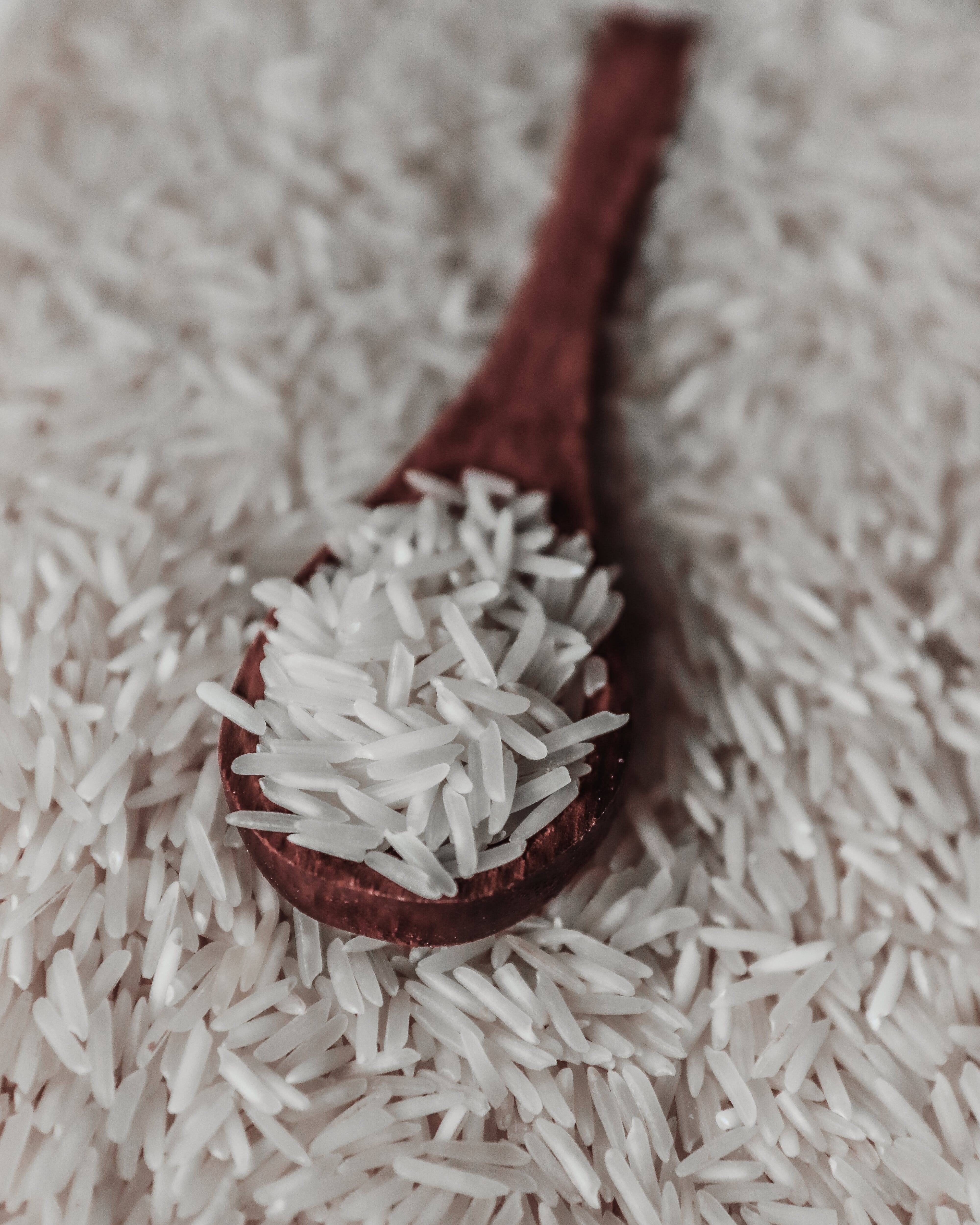
Indian rice, both basmati and non-basmati varieties, continues to be in high demand internationally due to its quality, diversity, and competitive pricing. The industry's commitment to quality control and adherence to international standards has contributed to India's success as a major player in the global rice market.