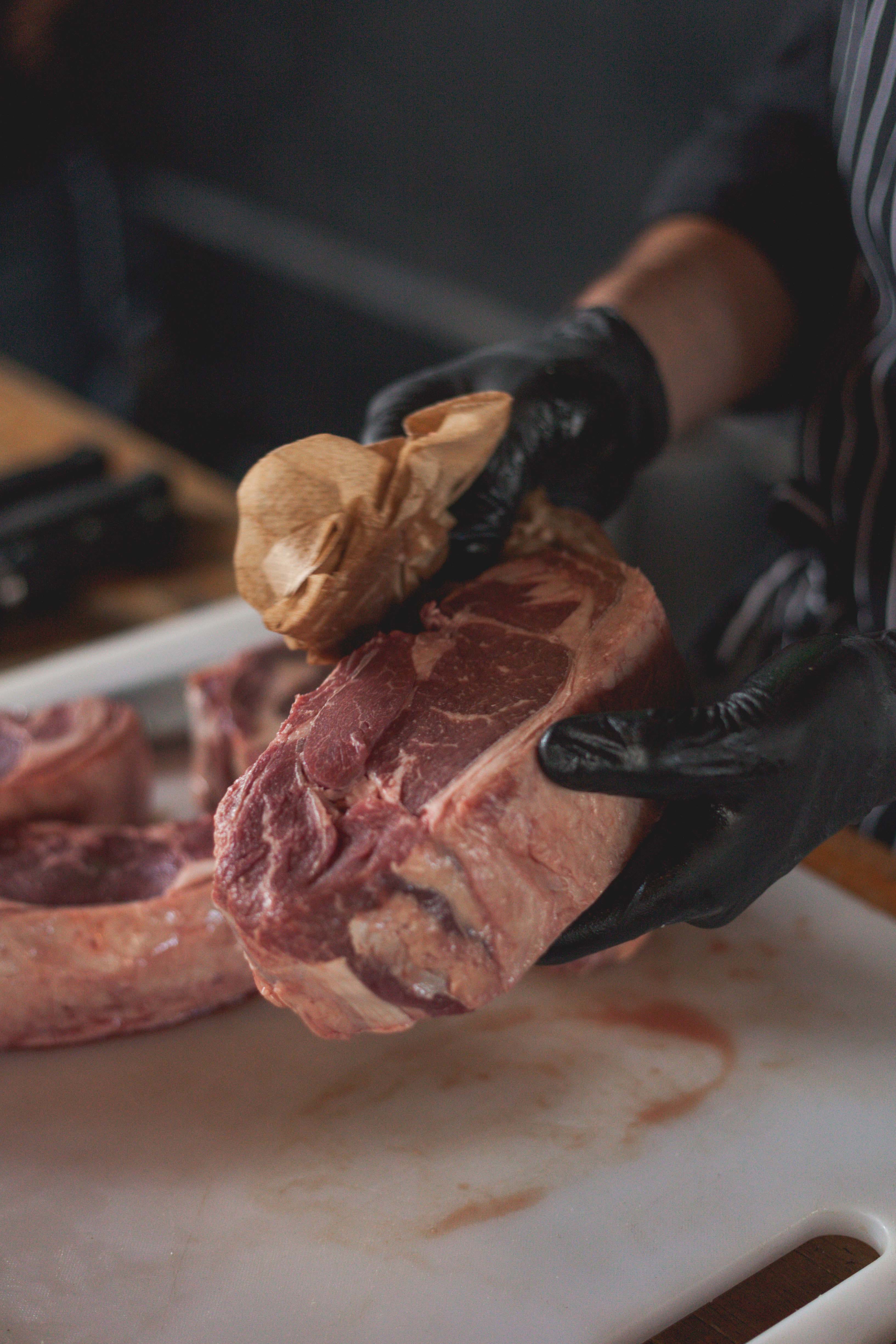
Chicken meat and export
Chicken meat is a widely consumed protein source globally, and the export of chicken meat is a significant component of the international poultry industry. Various countries engage in the export of chicken meat to meet the growing demand for poultry products around the world. Here are key aspects related to chicken meat and its export:
-
Major Exporters:
- United States : The U.S. is a major exporter of chicken meat, supplying various cuts and processed products to numerous countries.
- Brazil : Brazil is a major player in the global chicken meat market, exporting a substantial volume of both fresh and processed poultry products.
- European Union : Several EU member countries contribute to chicken meat exports, with products ranging from whole birds to processed items.
-
Types of Chicken Meat Products Exported:
- Whole Chicken : Export of whole chickens, fresh or frozen, is common. This includes both broilers and roasters.
- Chicken Cuts : Exported cuts include breasts, thighs, wings, drumsticks, and other parts, often packaged individually or as mixed portions.
- Processed Products: Processed chicken products like sausages, nuggets, burgers, and marinated items are also exported to cater to diverse consumer preferences.
-
Trade Considerations :
- Quality Standards : Chicken meat exports must adhere to specific quality standards set by importing countries. These standards include factors such as hygiene, safety, and product specifications.
- Health Certifications : Exporting countries typically need to provide health certifications, ensuring that the exported chicken meat complies with the food safety regulations of the importing country.
- Quarantine Regulations : Adherence to quarantine regulations is crucial to prevent the spread of poultry diseases. Exporters need to comply with the quarantine requirements of both the exporting and importing countries.
-
Emerging Markets :
- Asia : Many countries in Asia, including China, Japan, and South Korea, are significant importers of chicken meat. Rising incomes and changing dietary preferences contribute to the growing demand for poultry products in the region.
- Middle East : Countries in the Middle East, such as Saudi Arabia and the United Arab Emirates, are key markets for chicken meat exports. The popularity of halal chicken products further drives demand in these regions.
-
Industry Trends:
- Halal Certification : Given the global diversity of consumers, halal-certified chicken meat is in demand, especially in regions with a significant Muslim population.
- Processed and Convenience Products: There is an increasing demand for processed and convenience chicken products, including ready-to-eat items, as consumers seek convenient meal options.
-
. Economic Factors:
- Competitive Pricing : The competitiveness of chicken meat exports often depends on factors like production costs, feed prices, and currency exchange rates.
- Trade Agreements : Bilateral and regional trade agreements can impact the ease of chicken meat exports between countries.
-
Challenges:
- Disease Outbreaks : Disease outbreaks, such as avian influenza, can impact the poultry industry and restrict exports due to quarantine measures.
- Trade Barriers : Non-tariff trade barriers, including regulatory differences and certification requirements, can pose challenges to the smooth flow of chicken meat exports.
The export of chicken meat is influenced by a complex interplay of economic, regulatory, and consumer-related factors. It plays a crucial role in meeting the global demand for protein and contributes significantly to the economies of exporting countries. Continuous adaptation to market dynamics and compliance with international standards are essential for sustained success in the global chicken meat trade.