Corn
Exporting corn for use in the food industry involves several considerations, including quality standards, packaging, logistics, and market demand. Below is a guide on key aspects to focus on when exporting corn for the food industry:
-
Quality Standards : Ensure that the corn meets international quality standards for food safety, cleanliness, and nutritional value. Quality control measures should be in place during cultivation, harvesting, and processing
-
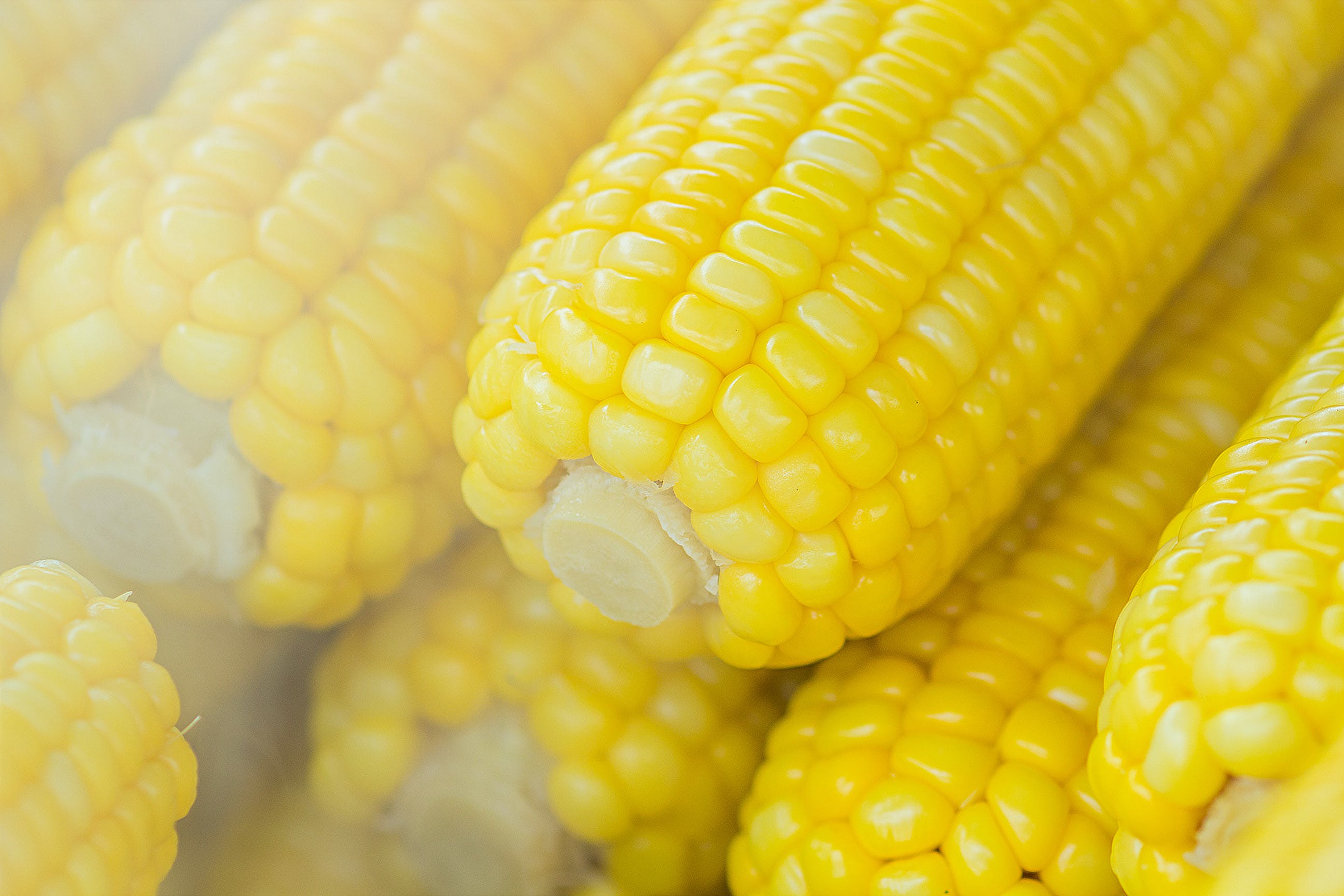
Types of Corn Products : Identify the specific corn products you plan to export, whether it's whole corn kernels, cornmeal, corn flour, or processed corn products. Different markets may have varying preferences and regulations.
-
Certifications: : Obtain necessary certifications related to quality, safety, and adherence to international trade regulations.
-
Regulatory Compliance : Understand and comply with the food safety and agricultural regulations of both the exporting and importing countries. Obtain necessary certifications and ensure adherence to labeling requirements
-
Packaging : Choose appropriate packaging that preserves the quality of corn during transportation and storage. Consider factors like moisture control, protection from pests, and compliance with international packaging standards.
-
Logistics and Transportation : Plan the logistics for transporting corn to international markets. Consider modes of transportation (sea, air, or land), shipping routes, and temperature control, especially if dealing with fresh or frozen corn.
-
Market Research : Conduct thorough market research to identify target markets and their specific requirements. Understand local preferences, regulations, and potential competitors in each market.
-
Building Relationships: Establish strong relationships with reliable suppliers, distributors, and partners in both the exporting and importing countries. Collaboration is crucial for the smooth flow of the supply chain.
-
Quality Control Measures: Implement stringent quality control measures at various stages, from cultivation to processing and packaging. Regular testing for contaminants, pesticides, and other quality indicators is essential.
-
Certifications: Obtain certifications related to food safety, agricultural practices, and adherence to international trade standards. Common certifications include HACCP (Hazard Analysis and Critical Control Points) and ISO (International Organization for Standardization).
-
Market Entry Strategies: Develop effective market entry strategies based on the characteristics of each target market. Consider factors such as pricing, branding, and distribution channels.
-
Price Competitiveness: Ensure that your pricing strategy is competitive in the target markets. Consider production costs, transportation expenses, and market demand when setting prices for your corn products.
-
Marketing and Promotion: Invest in marketing and promotional activities to create awareness about your corn products. Highlight their quality, nutritional value, and any unique attributes that set them apart.
-
Cultural Considerations: Be mindful of cultural preferences and dietary habits in the target markets. Tailor your marketing and product offerings to align with local tastes and customs.
When exporting sesame seeds, building relationships with reliable suppliers, adhering to quality standards, and understanding market dynamics will contribute to a successful export venture in the sesame industry.